
Every student supported
is a future unlocked
Since our founding in 2026, MGF has moved quickly from vision to action. Our first programs target one of the most immediate and solvable barriers in Nigerian secondary education: the cost of sitting a final examination.
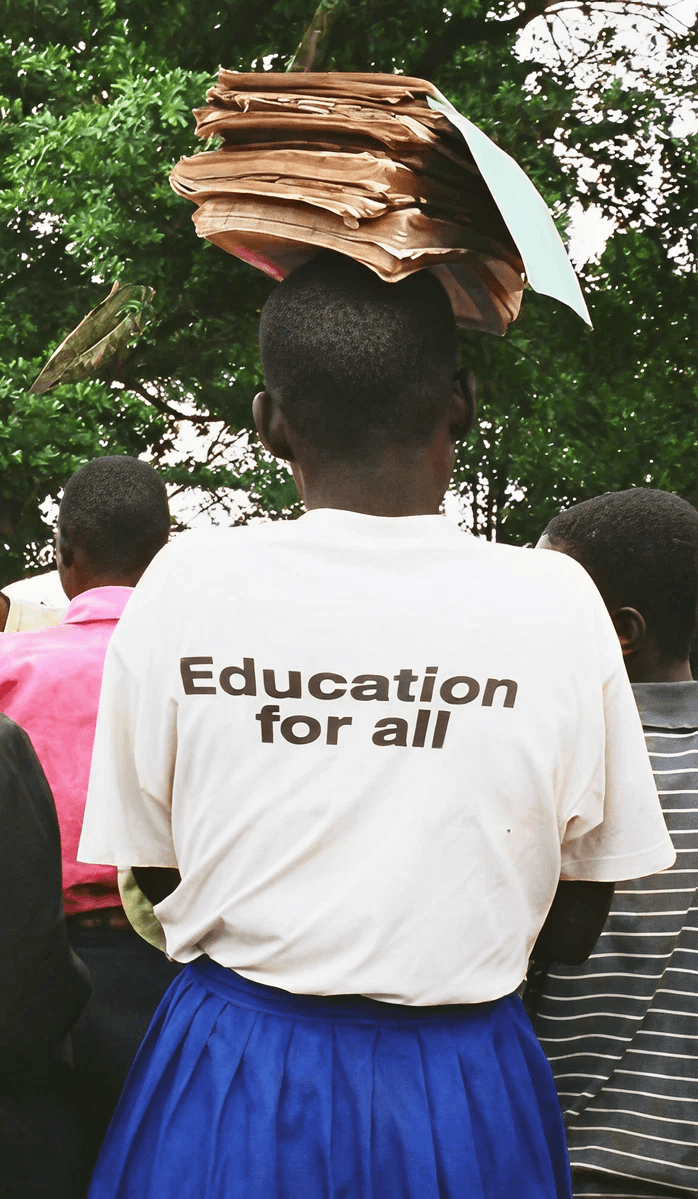
Students supported with WAEC and NECO fees
Year founded, already building momentum
Aligned with global goals 4, 5, 8 and 10
Removing the last barrier between a student and their future
In Nigeria, sitting WAEC and NECO examinations is a requirement for secondary school completion and a gateway to tertiary education and employment. Yet for hundreds of thousands of students from low-income households, the registration fee is an insurmountable obstacle. MGF identified these students directly across different zones of Nigeria and covered their full examination enrollment costs.

West African Examinations Council (WAEC)
West African Senior School Certificate Examination (WASSCE) Fee Support
The WASSCE is the most recognised school leaving qualification in Nigeria. Without it, a student cannot go to university or get a job.
MGF found students from underserved schools who could not complete their registration because of money and paid their fees in full. Students did not need to apply. MGF went directly to find them.
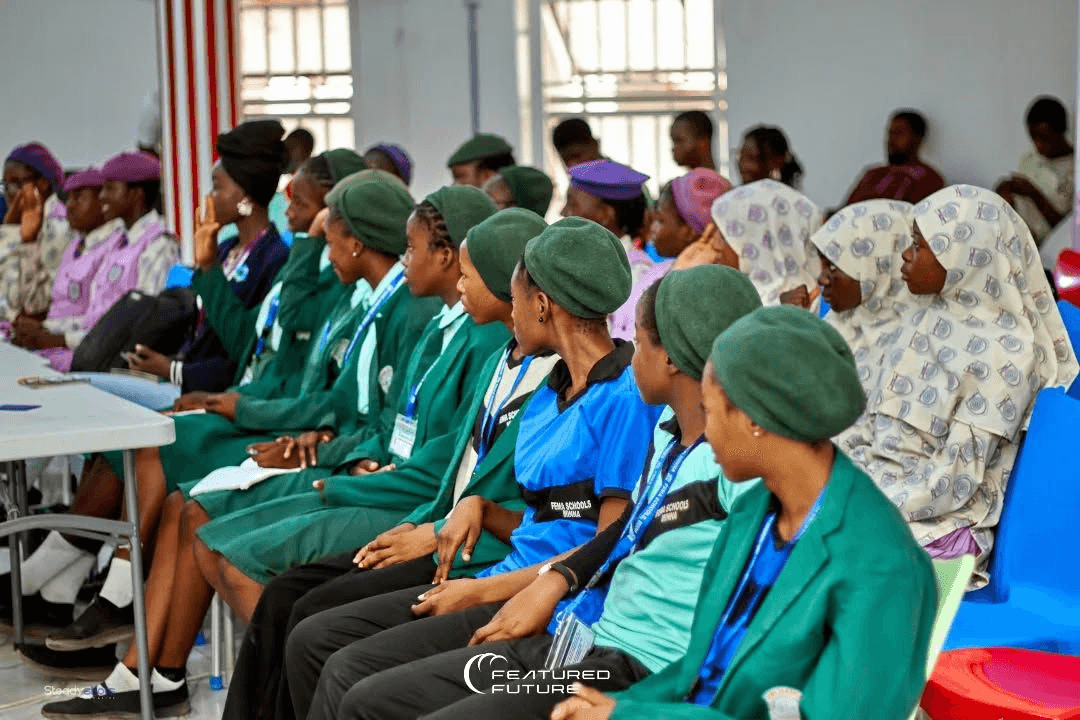
National Examination Council (NECO)
National Examination Council (NECO) Fee Support
NECO's SSCE is the second major school leaving examination in Nigeria, accepted for university admission and professional training.
MGF extended its fee support to NECO students too. Whichever exam a student was sitting, money would not be the reason they did not finish. Students were identified directly by MGF across schools in different zones, starting with those who had lost their spot because they could not pay.
How we work
MGF's implementation approach is participatory, evidence-based, and community-rooted, designed to deliver impact that lasts beyond any single program cycle.
Designing programs grounded in community needs and local data
Integrating monitoring and evaluation to track and improve outcomes
Collaborating with government, civil society, and the private sector
Strengthening local actors and institutions for long-term sustainability
Prioritising inclusion, equity, and gender responsiveness in all programs